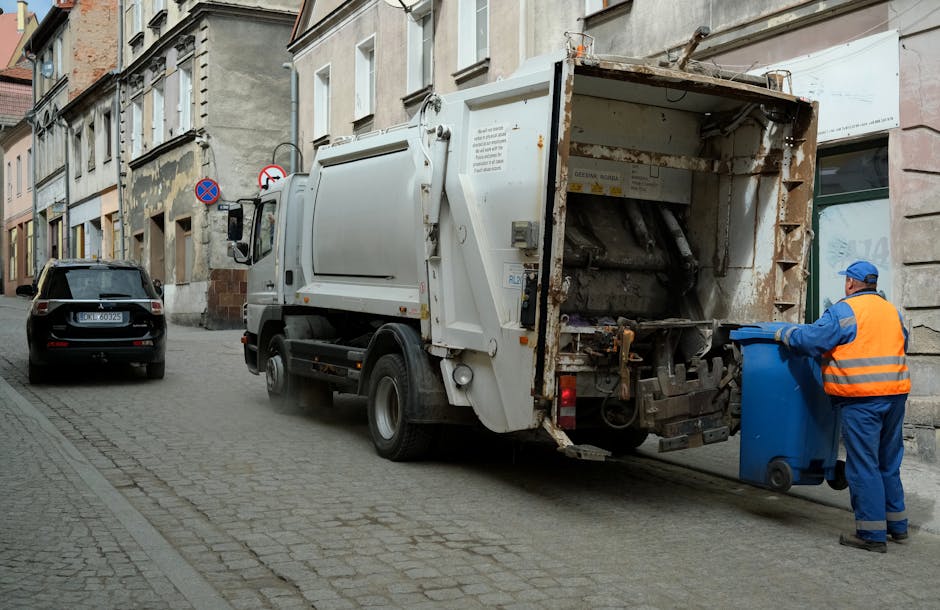
Bulky waste pickup Wraysbury Road Staines: a practical guide for fast, tidy disposal
If you are trying to clear a bulky item from Wraysbury Road in Staines, you probably want the same three things: speed, clarity, and no mess left behind. Maybe it is an old sofa that has finally had enough, a fridge that hums oddly in the corner, or a pile of awkward bits from a house clear-out that never quite fit in a car. Whatever the reason, Bulky waste pickup Wraysbury Road Staines is about making that problem disappear without turning your day into a lifting marathon.
This guide explains how bulky waste collection usually works, what you can put out, what to watch for, and how to choose the most practical option. It also covers the kind of details people often miss until the last minute, like access, item preparation, recycling, and compliance. To be fair, that's usually where the stress creeps in.
For broader household and property clearances, it can help to look at related services such as waste removal, furniture disposal, or a fuller home clearance if the job is bigger than one or two items.
Table of Contents
- Why bulky waste pickup matters on Wraysbury Road
- How the pickup process works
- Key benefits and practical advantages
- Who this is for and when it makes sense
- Step-by-step guidance
- Expert tips for better results
- Common mistakes to avoid
- Tools, resources and recommendations
- Law, compliance and best practice
- Options and comparison table
- Real-world example
- Practical checklist
- Conclusion
- Frequently asked questions
Why Bulky waste pickup Wraysbury Road Staines Matters
Bulky waste is the stuff that is too large, too awkward, or simply too unpleasant to leave sitting around. In a busy residential road like Wraysbury Road, that matters more than people think. Large items can block hallways, clutter gardens, and make a property feel half-finished even when the rest of the space is spotless.
There is also the practical side. A bulky item can be awkward to carry down stairs, through narrow entrances, or around parked cars. If you have ever tried to wrestle a sagging wardrobe through a front door that seems to have shrunk overnight, you will know the feeling. Not exactly a fun Saturday.
Local pickup matters because quick removal can improve safety, reduce trips and slips, and stop waste becoming a nuisance. It also helps when you are between tenancies, preparing a sale, clearing a garage, or dealing with the aftermath of a renovation. In those moments, a proper pickup service is less of a luxury and more of a sensible shortcut.
For heavier household projects, you may also want to compare related options like furniture clearance, garage clearance, or even house clearance if multiple rooms need attention.
How Bulky waste pickup Wraysbury Road Staines Works
In simple terms, you identify the items, arrange a pickup, and have them removed from the property or from a pre-agreed access point. That sounds straightforward, and often it is, but the small details make the difference between a smooth collection and a frustrating one.
Most bulky waste pickups follow a similar pattern:
- Describe the items clearly. Mention what they are, how many there are, and whether they are easy to reach.
- Check access. Narrow stairs, shared entrances, tight driveways, or limited parking can affect the collection plan.
- Confirm what can be taken. Some items need special handling, and not everything belongs in a standard bulky waste load.
- Agree a collection time. Reliability matters, especially if the item has to be removed before new furniture arrives or before a tenancy handover.
- Prepare the items. Clear a path, disconnect appliances if needed, and make sure nothing valuable is left inside drawers or pockets.
- Collection and loading. The team removes the waste, often sorting items for reuse, recycling, or disposal.
If the waste includes white goods, a dedicated service such as fridge and appliance removal can be more appropriate. For old beds, sofas, and mattresses, the page on mattress and sofa disposal is worth a look.
One thing people often underestimate is the access check. A collection that looks tiny on paper can become a right faff if the item needs to be carried two flights down a narrow staircase. It happens more than you'd think.
Key Benefits and Practical Advantages
The main benefit is obvious: bulky waste leaves your space. But the real value is in what that does to the rest of the job.
- Saves physical effort. You avoid lifting heavy or awkward items yourself.
- Reduces clutter quickly. That is especially useful before moving, refurbishing, or hosting tradespeople.
- Improves safety. Less clutter means fewer trip hazards and fewer blocked routes through the property.
- Supports recycling. A good service will separate reusable or recyclable materials where possible.
- Frees up parking, garages, and storage rooms. That extra breathing space is often the thing people notice first.
There is also peace of mind. You do not have to spend a whole afternoon wondering whether that broken wardrobe will fit in the car, whether your local recycling site will accept it, or whether you can even carry it without damaging the wall on the way out.
Practical takeaway: if the item is large enough to make you pause and think "how on earth am I going to move that?", a bulky waste pickup is probably the sensible option.
For projects involving multiple types of waste, you may find builders waste clearance helpful after DIY work, or loft clearance if the bulky items have accumulated in hard-to-reach storage spaces.
Who This Is For and When It Makes Sense
Bulky waste pickup is useful for a wide mix of people. It is not only for major refurbishments or end-of-tenancy clean-outs. In everyday life, it can be the easiest solution to a very ordinary problem.
It tends to make sense if you are:
- Replacing old furniture that is too large for a normal bin collection
- Clearing a garage, shed, or spare room
- Moving home and needing a fast clear-out
- Managing probate or an inherited property
- Preparing a rental for new tenants
- Dealing with a single large appliance or several awkward items at once
- Running a small business or office with surplus furniture
For offices, it may be better to combine bulky waste with office clearance. For commercial premises, business waste removal can be a more suitable fit. The point is to match the service to the job rather than forcing the job into the wrong box.
Truth be told, a lot of people wait too long. They live with the old sofa in the corner for months because it feels like a "small problem". Then one day the room just stops working properly. And once the clutter starts getting in the way of daily life, it is usually time.
Step-by-Step Guidance
If you want the collection to go smoothly, the best approach is to prepare in a calm, methodical way. Nothing fancy. Just a few sensible steps.
- Make a list of the items. Write down what needs removing and note any damaged, wet, sharp, or broken pieces.
- Separate bulky waste from general rubbish. Do not mix in loose bags, food waste, or everyday household waste unless the provider says it is acceptable.
- Check whether anything needs special handling. Appliances, electronics, and items that may contain hazardous materials should be flagged early.
- Measure access points if the item is large. Doorways, stair turns, and lift dimensions can matter more than people expect.
- Clear the route. Move lamps, shoes, plants, and anything that could snag a carry or trip someone.
- Be ready at the agreed time. If you are not on site, make sure someone else can give access.
- Ask what happens after collection. Good providers should be able to explain their recycling or disposal approach in plain English.
If the clearance is part of a bigger tidy-up, it may be useful to review what can go in a skip so you can compare what belongs in a skip with what is better handled through direct pickup. That little bit of planning can save a lot of backtracking.
A quick example: if you are clearing a front room on Wraysbury Road and the only bulky item is a three-seater sofa, the job may be simple. If that same sofa is sitting upstairs with a heavy wardrobe and two broken armchairs, the collection needs more planning. Same postcode, very different day.
Expert Tips for Better Results
There are a few habits that make bulky waste collection easier, cleaner, and generally less stressful. These are the sort of details people only learn the hard way, so it helps to know them up front.
- Photograph the items before booking. A few clear photos help avoid misunderstandings and can make quoting smoother.
- Remove personal items from drawers and pockets. It sounds obvious, but keys, receipts, and chargers often get left behind.
- Keep separate anything reusable. If a chair can be donated or used again, do not bury it under general rubbish.
- Don't block access with other clutter. A clean route is faster and safer for everyone involved.
- Tell the provider about stairs, parking restrictions, or shared entrances. That bit of honesty saves awkward surprises later.
If you are dealing with heavy furniture, it can also help to look at furniture clearance or furniture disposal options so you know whether the item is likely to be reused, broken down, or recycled. Not every old item needs the same treatment.
And yes, sometimes the best tip is simply: do not start carrying the wardrobe down the stairs alone. That plan usually sounds braver at 8 a.m. than it does by 8:15.
Common Mistakes to Avoid
Most bulky waste problems are not complicated. They just come from skipping the boring bits. Happens all the time.
- Underestimating the size or weight. An item that looks manageable in the room may be much harder to move around corners or down stairs.
- Mixing bulky waste with restricted materials. Not all waste streams are handled the same way.
- Leaving access information out. If there is no parking, a narrow gate, or a code entry system, say so early.
- Forgetting to disconnect appliances. Fridges, freezers, washers, and dishwashers may need preparation before removal.
- Booking the wrong type of service. A single-item pickup is one thing; a full property clearance is another.
- Assuming everything can be taken together. Some materials need special handling or separate disposal routes.
Another common issue is waiting until the very last day. If you are moving out, a bulky item left too late can become a source of stress right when you least need it. Better to deal with it early, even if that means an extra collection before moving day.
Tools, Resources and Recommendations
You do not need specialist equipment for a standard pickup, but a few simple tools can help you prepare properly.
- Tape measure: useful for checking whether items fit through doors or down stairwells
- Phone camera: helps document the item and its condition
- Basic screwdriver or spanner: handy if furniture needs slight disassembly
- Gloves: sensible when moving broken or rough-edged items
- Labels or sticky notes: useful if you are separating what stays from what goes
On the service side, it is worth comparing related pages if your job has a specific shape. For example, a mixed-property tidy-up might be better handled through flat clearance or garage clearance, while a garden overhaul may be more suited to garden clearance.
If the waste is sensitive or personal, remember that paper records and confidential items are better handled separately. The page on confidential shredding is relevant for that kind of material.
Law, Compliance, Standards, or Best Practice
Waste disposal in the UK comes with responsibilities, even when the job is small. You do not need to turn the process into a legal seminar, but it is sensible to use a provider that handles waste in a lawful and traceable way. That includes correct transfer, appropriate sorting, and care with items that may be hazardous or difficult to recycle.
Best practice usually means:
- Using a clear description of the waste before collection
- Keeping hazardous items separate where required
- Avoiding fly-tipping or unlicensed disposal routes
- Making sure larger appliances are handled properly
- Choosing a provider that can explain how waste is managed
If a bulky item contains refrigerants, chemicals, batteries, or other potentially sensitive components, it should be treated carefully. That is why a page like hazardous waste disposal matters when the item is not just "old" but actually requires extra care.
Trust signals matter here too. Look for clear information about health and safety policy, insurance and safety, payment and security, and the company's wider approach to recycling and sustainability. That does not guarantee perfection, of course, but it does show the service is thinking beyond "pick it up and vanish".
Options, Methods, or Comparison Table
There are usually a few ways to deal with bulky waste. Which one makes sense depends on the item, the amount of waste, and how quickly you need the space back.
| Option | Best for | Strengths | Limitations |
|---|---|---|---|
| Bulky waste pickup | Single large items or small mixed loads | Fast, convenient, minimal lifting for the customer | May need good access and clear item details |
| Skip hire | Larger volumes, DIY waste, ongoing clear-outs | Useful for repeated filling over time | Needs space for the skip and careful sorting |
| Full property clearance | Homes, flats, garages, lofts, and probate jobs | Handles multiple rooms or large volumes at once | More planning and usually more time on site |
| Self-load and transport | Very small items and people with access to a vehicle | Can work for simple jobs | Time-consuming, physically demanding, and not ideal for heavy items |
If you are unsure where your job sits, compare bulky pickup with pricing and quotes before deciding. Sometimes the cheapest option is not the one that saves the most time, and sometimes it is the other way round. Depends on the mess, really.
Case Study or Real-World Example
Imagine a small terraced home near Wraysbury Road after a room refresh. The homeowner has an old sofa, a broken armchair, a heavy bedside unit, and an appliance that no longer works. At first glance, it sounds like half a van load, but not a full clearance. The room is tidy, the hallway is narrow, and the item access is reasonable.
In that kind of scenario, a bulky waste pickup is often the neatest solution. The homeowner clears the route the night before, checks the appliance type, and keeps a few reusable items aside. On the day, the items are removed in one visit, the space is left usable again, and the room feels different straight away. You notice the floor again. The light comes in a bit better. Small thing, but it matters.
If the same property had also included attic boxes, garden waste, and old office equipment, a more comprehensive service would have been better. That is the real lesson: match the service to the shape of the problem. Simple job, simple pickup. Bigger mess, broader clearance.
And for anyone planning ahead, using book online can be a practical next step once you know what needs removing and when.
Practical Checklist
Use this quick checklist before collection day. It saves time, and more importantly, it stops the little things from becoming annoying things.
- List every item that needs removing
- Separate bulky waste from general rubbish
- Check whether appliances need disconnection
- Measure doors, stairways, and access points if needed
- Clear the route to the item
- Remove personal belongings from drawers, pockets, and shelves
- Tell the provider about parking, gates, codes, or restricted access
- Ask what cannot be taken in the same load
- Confirm the collection time and contact details
- Keep a note of any items needing special handling
If you want a broader overview of service standards and company values before booking, pages like about us and contact us can help you understand how the business presents itself and how to ask the right questions. No drama, just sensible due diligence.
Get a free quote today and see how much you can save.
Conclusion
Bulky waste pickup on Wraysbury Road is really about restoring order without wasting your own time or energy. When the service is planned properly, it takes one stubborn problem off your hands and gives you your space back in a way that feels immediate and practical. That is the real value here.
Whether you are clearing one awkward item or tidying a whole room, the best results come from simple preparation: clear information, honest access details, and the right service for the job. Do that, and the whole thing becomes a lot less stressful than it first appears.
And honestly, there is something quietly satisfying about seeing a bulky item disappear from a room that has been nagging at you for weeks. A small win, but a proper one.
Frequently Asked Questions
What counts as bulky waste on Wraysbury Road in Staines?
Bulky waste usually means large household items that are awkward to move or too big for standard collections, such as sofas, wardrobes, mattresses, tables, and some appliances.
Can I book a bulky waste pickup for just one item?
Yes, in many cases a single-item collection makes perfect sense. That is often the quickest route when one heavy item is taking up valuable space.
Do I need to move the item outside before collection?
Not always. It depends on access and the service agreement. Some collections are from inside the property, while others are easier if the item is already near the entrance.
What if the item is upstairs or hard to reach?
Tell the provider in advance. Stairs, tight corners, and narrow entrances affect time, labour, and planning, so it is better to mention them early rather than on the day.
Can you take old sofas and mattresses together?
Often yes, but it is sensible to check how the provider handles soft furnishings. A dedicated page like mattress and sofa disposal may be relevant if you are dealing with those items specifically.
Is bulky waste pickup better than hiring a skip?
It depends on the job. A pickup is usually better for a few large items, while a skip may suit ongoing DIY waste or larger mixed loads. If in doubt, compare the time, access, and volume.
What should I do with a fridge or freezer?
Tell the provider in advance because white goods can need separate handling. A page such as fridge and appliance removal can help you judge whether the item needs special treatment.
How do I prepare bulky waste for collection?
Clear the route, remove personal items, separate anything reusable, and make sure the provider knows about access issues. A little preparation goes a long way.
Can bulky waste include items from a garage or loft?
Yes, if the items are suitable for the service. For larger clear-outs, garage clearance and loft clearance may be a better fit.
How do I know a provider is handling waste properly?
Look for clear information on safety, recycling, payment, and how waste is processed. A trustworthy provider should be able to explain their approach in plain language without making a song and dance about it.
What if I have confidential papers mixed in with other items?
Keep those separate. Confidential documents should be handled through an appropriate shredding service rather than mixed into general bulky waste.
Is it worth combining bulky pickup with a full clearance?
If several rooms or storage spaces need work, yes. Combining services can be more efficient than booking separate visits. For bigger jobs, house clearance or home clearance may be the smarter choice.